
"Bolivia coffee exports"
300 article(s) found

Introduction of Coffee Flavor and Taste planting Environment in Snow vein Manor, Bolivia
There are mainly light industries such as food processing, wine making, cigarettes, textiles and so on. Mining is an important part of the Bolivian national economy. It is an exporter of mineral products and is rich in mineral resources, including tin, antimony, tungsten, silver, zinc, lead, copper, nickel, iron and so on. It has proven oil reserves of 188 million barrels and natural gas of 1.13 trillion cubic meters. The forest area is 56 million hectares. Coca is grown in Bolivia

Lake Titicaca in Bolivia, washing iron, Bica boutique coffee beans, grindability, baking degree.
Roaster name: Dazhen Coffee Qianjie Cafe location: Guangzhou Baoqian Street 10 manufacturer contact information: 38364473 ingredients Table: own baking shelf life: 90 net content: 227g Packaging: bulk coffee beans ripe degree: whether coffee beans contain sugar: sugar-free origin: Bolivia roasting degree: moderate Lake Titicaca Copacabana countries: Bolivia

Types and characteristics of Bolivian coffee beans
In the past, coffee trees in Bolivia used to act as hedges and ornaments around the garden. Real commercial production began in the early 1950s. The great frost of 1957 seriously damaged Brazil's coffee industry, while Bolivia (Bolivia) benefited from it and developed rapidly. Bolivian coffee is grown at an altitude of 180,670 meters above sea level.

Introduction to the treatment method of planting and Development History of Bolivian Coffee single Bean Flavor description
For professional baristas, please follow Coffee Workshop (Wechat cafe_style) BOLIVIA Bolivian population: 10461000 coffee-growing areas in Bolivia have never been significantly drawn, which is why different bakers use different naming conventions to describe different sources of coffee beans. YUNGAS about 95% of Bolivian coffee is produced here.

How to drink coffee in Bolivia
Professional coffee knowledge exchange More coffee bean information Please pay attention to Coffee Workshop (Weixin Official Accounts cafe_style) Although Bolivia's coffee business development began in the 1920s, the country's contribution to the global coffee supply today is minimal. About 95 percent of Bolivia's coffee is produced in Yungas, a fertile region on the eastern slope of the Andes, La Paz.
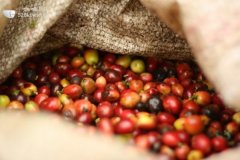
Fine Coffee study Coffee from Bolivia
In the past, coffee trees in Bolivia used to act as hedges and ornaments around the garden. Real commercial production began in the early 1950s. The great frost of 1957 seriously damaged Brazil's coffee industry, while Bolivia (Bolivia) benefited from it and developed rapidly. Bolivian coffee is grown at an altitude of 180,670 meters above sea level, including Allah.

Bolivia, an estate that specializes in growing coffee
From serving as a garden hedge to coffee grown exclusively on the manor, coffee trees in Bolivia used to be planted around the garden as hedges, decorating flowers and trees. Real commercial production began in the early 1950s. The coffee industry in Brazil was badly damaged by the great frost in 1957, while Bolivia (Bolivia) benefited and developed rapidly. Bolivian coffee in the sea
Coffee producing area-Bolivia
In the past, coffee trees in Bolivia used to act as hedges and ornaments around the garden. Real commercial production began in the early 1950s. The coffee industry in Brazil was badly damaged by the great frost in 1957, while Bolivia (Bolivia) benefited and developed rapidly. Bolivian coffee is grown at an altitude of 180,670 meters above sea level, including Allah.
Starting with Coffee beans (16)-America-Bolivia
In the past, coffee trees in Bolivia used to act as hedges and ornaments around the garden. Real commercial production began in the early 1950s. The great frost of 1957 seriously damaged Brazil's coffee industry, while Bolivia (Bolivia) benefited from it and developed rapidly. Bolivian coffee is grown at an altitude of 180,670 meters above sea level, including Allah.
Coffee beans Bolivia in the Americas
In the past, coffee trees in Bolivia used to act as hedges and ornaments around the garden. Real commercial production began in the early 1950s. The great frost of 1957 seriously damaged Brazil's coffee industry, while Bolivia (Bolivia) benefited from it and developed rapidly. Bolivian coffee is grown at an altitude of 180,670 meters above sea level, including Allah.
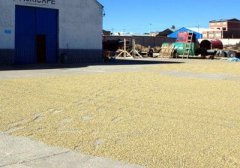
Lake Titicaca, Bolivia, small farmers, water washed, iron pica, fine coffee beans, freshly roasted, freshly ground.
Name: Dazhen Coffee Front Street Cafe Address: No.10 Baoanqian Street, Guangzhou City Factory Contact: 020-38364473 Ingredients List: Self-baked Shelf Life: 90 Net Content: 227g Packaging Method: Bulk Coffee Bean Ripe Degree: Coffee Ripe Bean Sugar Free Origin: Bolivia Roasting Degree: Moderately Roasted Lake Titicaca Copacabana Country: Bolivia

A brief introduction to the cultivation of exquisite Bolivian boutique coffee beans, geographical location, climate and altitude
If the coffee fruit is not delivered to the processing plant in time, it is easy to ferment and rot on the wet mountain road. As a result, the coffee of good quality has been destroyed. Bolivia has made a lot of efforts to improve the quality of coffee, stimulate the enthusiasm of coffee farmers and make coffee farmers have a deeper understanding of fine coffee. After the introduction of COE events, 2004

Fair Trade Association of Caranavi, Bolivia
Professional barista exchanges please follow the coffee workshop (Wechat official account cafe_style) Bolivia Caranavi (Karanawi) fair trade association organic beans Bolivia is a landlocked country known as the ancient plateau, coffee is mainly produced in the plateau 1200 ~ 2000 meters above sea level, the main producing areas are Caranavi Karanawi in the north and Santa Cruz Santa Cruz in the south

Bolivian Coffee Manor introduces Yongas Fine Coffee in the Northeast of La Paz
In the past, coffee trees in Bolivia used to act as hedges and ornaments around the garden. Real commercial production began in the early 1950s. The coffee industry in Brazil was badly damaged by the great frost in 1957, while Bolivia (Bolivia) benefited and developed rapidly. Bolivian coffee is grown at an altitude of 180,670 meters above sea level, including Allah.
Members of the International Coffee Organization: importing and exporting members
Angola Austria Austria Benin Benin Belgium / Luxembourg Belgium/Luxemburg Bolivia Bolivia UK Britain Brazil Brazil Cyprus Cyprus Burundi Burundi Denmark Denmark Cameroon Cameroon Finland Finland Central African Republic Central African R.
Boutique coffee bean producing countries introduce Bolivia
From serving as a garden hedge to coffee grown exclusively on the manor, coffee trees in Bolivia used to be planted around the garden as hedges, decorating flowers and trees. Real commercial production began in the early 1950s. The coffee industry in Brazil was badly damaged by the great frost in 1957, while Bolivia (Bolivia) benefited and developed rapidly. Bolivian coffee

Bolivian Coffee Introduction Bolivian Coffee Plantation Features Snow Veins Plantation
GDP in 1991 was US $5,007 million. The name of the currency is Boliviano, and the exchange rate at the end of 1992 was 4.09 Boliviano to the United States dollar. Bolivia mainly exports lead, tin, zinc, gold, silver and other minerals and natural gas, soybeans, wood, sugar, leather, coffee and livestock. Main imported raw materials and intermediate products, industrial equipment, consumer goods and transportation equipment.

Bolivia's Lake Titicaca tapping small farmers wash iron Pica boutique coffee bean varieties planting market price
Variety: iron pickup producer: tapper Gabbana small farmer flavor: dry aroma of roasted nuts and almonds, oranges and white pomelo are rich in coffee beans in South America, Bolivia is no exception, parts of Bolivia have a unique tropical rain forest environment, it provides excellent natural conditions for the growth of organic coffee. The aroma of Bolivian coffee is rich and unique, whether it is the aroma of ground beans or
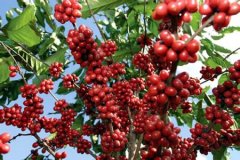
Varieties, Taste characteristics and roasting degree of Bolivian Coffee
■ Bolivia is rich in coffee beans in South America, and Bolivia is no exception. The unique tropical rain forest environment in some parts of Bolivia provides excellent natural conditions for the growth of organic coffee. The aroma of Bolivian coffee is rich and unique, whether it is the aroma of ground beans or the aroma of coffee, similar to the mixture of flower and fruit aroma.